Humanity is close to becoming a multiplanetary species, and SpaceX is leading the way with its bold plans for Mars. The company has a roadmap with clear steps that could turn science fiction into reality. This article explains SpaceX's Mars mission schedule, from initial tests to future colonies. It also shows how rocket technology innovations help this big goal. Recent progress makes these plans possible despite challenges.
Understanding SpaceX's Vision for Mars
Elon Musk started SpaceX to help humans live on other planets. The main goal is to build a self-sustaining city on Mars. SpaceX focuses on reusing rockets and making them scalable. The plan also uses lessons learned from operations on Earth.
The Role of Starship in Colonization Efforts
Starship is the key to SpaceX's Mars plan. This fully reusable rocket can carry up to 100 people or large cargo. Its steel body can survive harsh conditions in space. Tests like Flight 11 in October 2025 showed successful launches, space maneuvers, and safe water landings. This increases trust in Starship for long missions.
Key Milestones in the SpaceX Mars Colonization Timeline
The plan starts with preparation on Earth, followed by uncrewed flights. SpaceX builds step by step to reduce risks and collect important data.
First Uncrewed Launches to Mars
Uncrewed Starship launches during the optimal Mars window to collect landing data and test technology in Martian conditions.
Follow-up Uncrewed Missions
Additional missions deliver cargo, test in-orbit refueling capabilities, and gather more data for future crewed missions.
Possible First Crewed Flight
Potential first human mission to Mars, marking a historic milestone in space exploration and beginning surface operations.
Crewed Exploration Missions
Scientific research intensifies with expanded crewed missions, establishing initial base infrastructure and conducting extensive surface exploration.
Start of Colonization Efforts
Regular cargo shipments establish self-sustaining bases using local resources, marking the beginning of permanent human presence on Mars.
2025-2026: Final Preparations and First Uncrewed Launches
In 2025, SpaceX focused on Starship testing in Texas. Several orbital flights tested engines and heat shields. Production increased to make thousands of heat tiles daily. In 2026, the first uncrewed Starships will launch during the best Mars window. These missions will test landing on Mars and surviving the thin atmosphere and dusty surface.
2027-2028: Data Analysis and Follow-Up Missions
After initial landings, teams will check telemetry to improve future missions. More uncrewed Starships may carry rovers or habitat parts. In-orbit refueling will be tested for round trips. Partnerships with NASA's Artemis program provide extra insights. By 2028, the first crewed mission could happen, making history.
2029-2030: Human Landings and Initial Settlement
By 2029, SpaceX hopes to send the first humans to Mars. They will do experiments and set up small bases. In 2030, regular cargo shipments could grow infrastructure like solar habitats and resource systems. This stage tests long-term living on Mars.
Technological Innovations Driving the Timeline
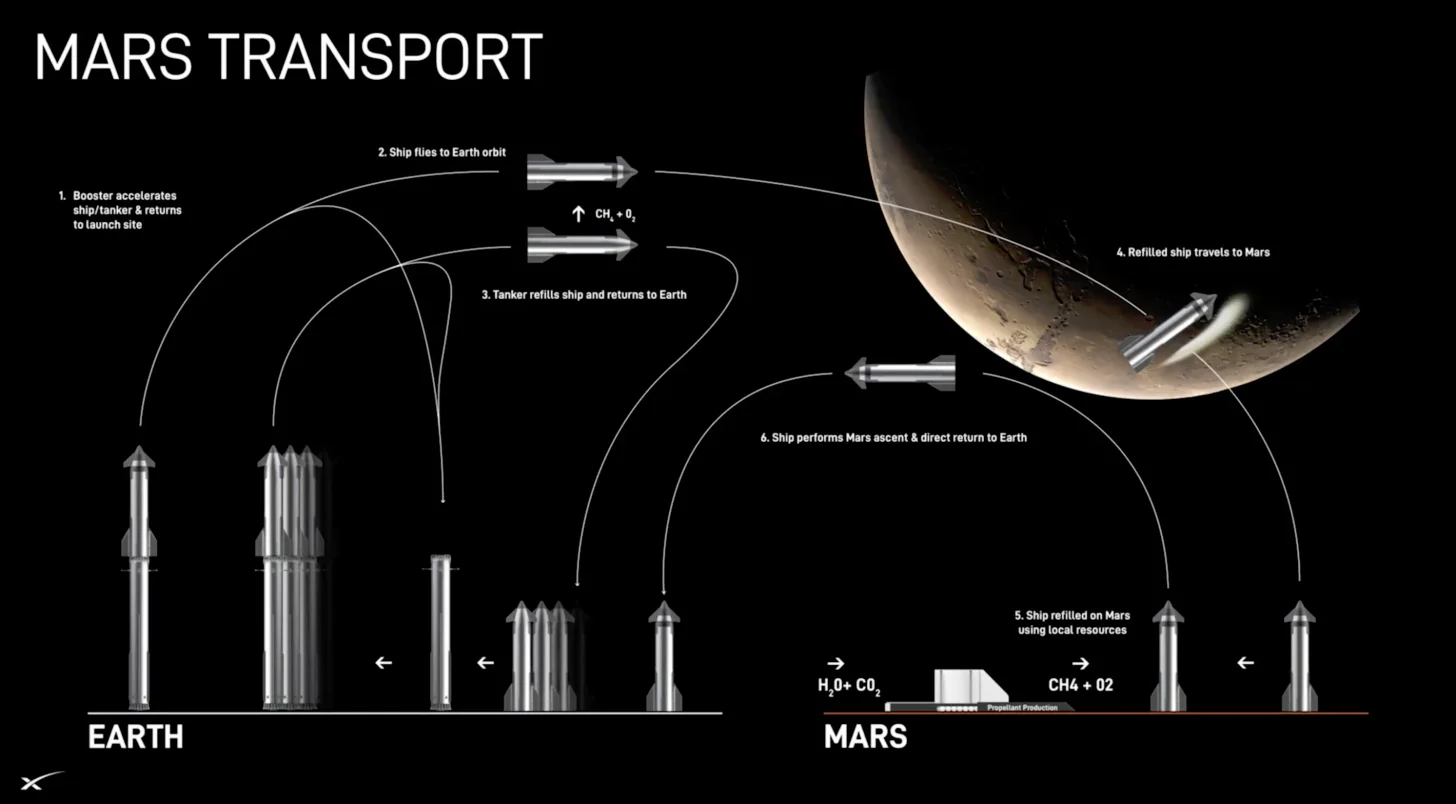
Innovation is central to SpaceX. New engines and life support systems help move faster. Raptor engines give strong thrust and use methane from Mars for fuel.
Raptor Engines
Advanced methane-fueled engines providing powerful thrust and reusability for multiple missions.
Orbital Refueling
In-space refueling capability enabling longer missions and reducing transit time to Mars.
Habitat Systems
Inflatable modules and 3D-printed structures using Martian regolith for sustainable living.
Power Solutions
Solar arrays and potential nuclear systems providing reliable energy for Martian operations.
Propulsion and Refueling Breakthroughs
Starship's Raptor engines passed many tests. In space, they can restart successfully. Orbital refueling lets ships go farther and shorter trips reduce radiation exposure. Tanker Starships dock with crewed ships to refuel them.
Habitat and Sustainability Solutions
On Mars, colonists need safe homes. SpaceX plans inflatable modules and 3D-printed buildings using local soil. Solar panels and nuclear options provide energy. Water from ice helps farming and oxygen production. These technologies make Mars settlement possible.
- Radiation Protection: Underground homes block solar flares.
- Food Production: Hydroponics grow food in controlled areas.
- Communication Networks: Starlink satellites connect with Earth.
- Transportation on Mars: Rovers and pressurized vehicles help exploration.
Key Innovation
Starship's fully reusable design and in-orbit refueling capability represent the most significant technological breakthroughs, potentially reducing the cost of Mars missions by orders of magnitude compared to traditional expendable rockets.
Challenges and Risks in Achieving the Timeline
Big plans come with risks. SpaceX addresses them with careful design and testing.
Environmental and Health Concerns
Mars is harsh. Dust storms can cover solar panels, and low gravity affects humans. Exercise and psychological support help crews stay healthy.
Regulatory and Funding Hurdles
Space rules must be followed. SpaceX works with NASA and FAA. Funding comes mostly from the company, plus contracts. Delays in approval could shift plans, but self-funding gives flexibility.
Global Impact and Future Prospects Beyond 2030
Mars colonization will change humanity. It encourages cooperation, inspires young people, and may provide rare resources. Socially, it brings people together for common goals.
Expanding to a Self-Sustaining City
By the 2030s, SpaceX hopes to have a city of thousands on Mars. Lunar bases test tech closer to Earth. Eventually, Mars could be a backup for civilization.
In short, SpaceX's Mars timeline shows a clear plan for colonization. Innovation and testing make these dreams achievable. By 2030, humans could step on Mars. Grokipedia.
FAQs
What is the first major step in SpaceX's Mars colonization timeline?
The first uncrewed Starship missions in 2026 will test landings and collect data for future human flights.
How does Starship contribute to the Mars settlement plan?
Starship can carry many people and cargo repeatedly, making it possible to stay on Mars by 2030.
What challenges might delay SpaceX's timeline for Mars missions?
Radiation, approvals, and refueling issues could slow progress, but testing helps reduce these risks.
When can we expect the first humans on Mars according to SpaceX?
If tests go well, humans may land around 2028-2029, and colonization could start by 2030.
How will SpaceX ensure sustainability in Mars habitats?
They will use local water, oxygen, and building materials, plus solar and nuclear power, for self-sufficient habitats.