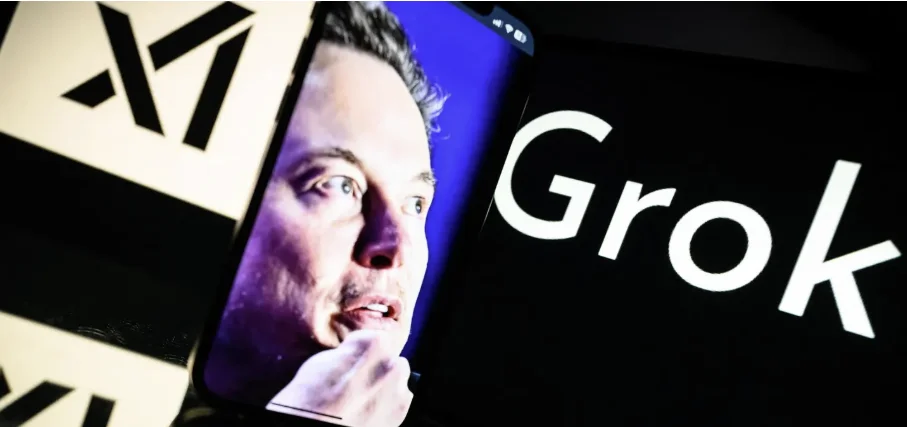
Elon Musk's latest venture into the world of online information, Grokipedia, has sparked widespread controversy. Designed as an alternative to what Musk calls the "woke" Wikipedia, the AI-driven encyclopedia aims to create a massive, open-source knowledge hub. However, recent research has uncovered troubling patterns in its content. Notably, Grokipedia cites the neo-Nazi forum Stormfront 42 times and relies heavily on other low-credibility or extremist websites.
These findings, revealed by Cornell University researchers, raise serious concerns about the reliability, transparency, and ethical implications of using AI to build information platforms. As discussions intensify, understanding the details behind these citations and the broader impact becomes essential.
What Is Grokipedia?
Grokipedia is an AI-generated encyclopedia created by Elon Musk's company xAI. It operates using the Grok AI chatbot and pulls information from online sources to generate articles instantly. Unlike Wikipedia—which is edited by thousands of volunteers—Grokipedia centralizes editing decisions. Users may submit edits, but approval comes through xAI's opaque review system, often described simply as "Grok Feedback."
Musk claims Grokipedia aims to provide a comprehensive, censorship-free library of human knowledge. He has framed the project as a response to what he describes as political bias in mainstream platforms. Nevertheless, its reliance on automated sourcing and machine-generated editorial decisions has already shown major weaknesses.
Research Findings: Grokipedia's Neo-Nazi Citations
A detailed analysis by researchers Harold Triedman and Alexios Mantzarlis uncovered multiple issues across Grokipedia's 883,000+ articles:
Stormfront Cited 42 Times
Stormfront, a well-known neo-Nazi forum linked to violent extremists and white supremacist movements, appeared 42 times as a cited source. Topics citing Stormfront included historical events, cultural issues, racist ideologies, and even film analysis.
Examples include:
- American History X article — cited Stormfront six times, summarizing extremist opinions from forum users.
- White nationalist publication article — cited Stormfront seven times, while Wikipedia relied on mainstream news outlets.
Other Problematic Sources
Researchers found Grokipedia also cited:
- Infowars (34 times), a conspiracy site banned from Wikipedia
- VDare (107 times), a white nationalist website
- Dozens of domains considered highly unreliable by fact-checking organizations
To illustrate the scope, previous research classifies many of these domains as extremely low-credibility sources, and Wikipedia does not permit them in citations.
AI Conversations Used as Sources
The study discovered 1,050 citations where Grokipedia cited itself—specifically, conversations between users and the Grok AI chatbot. These references included unverified claims, personal speculations, and politically motivated questions.
Such patterns show systemic issues in Grokipedia's automated sourcing.
Critical Finding
The Cornell study revealed that Grokipedia's AI system doesn't distinguish between credible sources and extremist content, treating neo-Nazi forums with the same legitimacy as established news organizations in its citation algorithm.
How Grokipedia Differs from Wikipedia
Wikipedia follows strict editorial policies:
- Uses reliable secondary sources
- Avoids original research
- Employs a large volunteer community for oversight
- Maintains public source blacklists
Grokipedia, by contrast:
- Depends heavily on automated AI scraping
- Allows extremist, conspiratorial, and low-credibility sources
- Delays referencing critical historical details
- Uses euphemistic language in sensitive topics
- Centralizes editorial control under xAI
For example, Grokipedia's 13,000-word Hitler article delays mentioning the Holocaust, while Wikipedia mentions it in the opening lines.
Community and Expert Reactions
Reactions from experts and organizations have been swift:
- Anti-Defamation League demanded stronger oversight and immediate content corrections.
- Information integrity specialists warned that AI-generated platforms can unintentionally amplify extremist narratives.
- Critics highlighted ethical risks of allowing an AI system to treat hate-based sources as credible.
Elon Musk responded by framing Grokipedia as an experiment promoting free speech and reducing dependence on traditional news sources. Yet this explanation has not eased concerns among researchers or the public.
Implications for Users and Society
The presence of neo-Nazi, conspiracy, and extremist citations in a major AI platform raises several critical issues:
1. Reliability of AI-Generated Knowledge
AI systems trained on unfiltered internet data may treat extremist content equally with legitimate information.
2. Risks of Misinformation
If users rely on Grokipedia for research or education, they may unknowingly absorb biased or false narratives.
3. Ethical AI Development
The controversy intensifies calls for transparent sourcing, human oversight, and third-party audits for AI knowledge systems.
4. Social and Political Impact
Amplifying extremist content—even unintentionally—can contribute to polarization and real-world harm.
Key Insight
The Grokipedia controversy highlights the fundamental challenge of balancing free speech principles with the responsibility to prevent the amplification of harmful content in AI systems.
Latest Updates (as of November 2025)
xAI has issued responses following the backlash:
- New source-filtering algorithms trained on credibility datasets
- Partnerships with fact-checking organizations underway
- Reduced appearance of problematic citations in newer content
- Plans for limited user-editable interfaces, similar to Wikipedia
- Enhanced monitoring tools to flag extremist or low-quality sources
Independent researchers continue to verify these improvements, though watchdog groups argue more transparency is needed.
FAQs
What is Grokipedia?
Grokipedia is an AI-generated encyclopedia by xAI that creates and edits content using the Grok chatbot instead of human editors.
Why is Grokipedia controversial?
Researchers found it cited the neo-Nazi site Stormfront 42 times, along with other extremist sources.
How is Wikipedia different?
Wikipedia uses community oversight and restricts low-credibility and extremist sources, making it more consistent and reliable.
What changes is xAI making?
xAI is improving source filtering, collaborating with fact-checkers, and enhancing transparency in its citation process.
Should users trust Grokipedia?
Users should cross-verify information and use multiple sources, especially for sensitive or controversial topics.